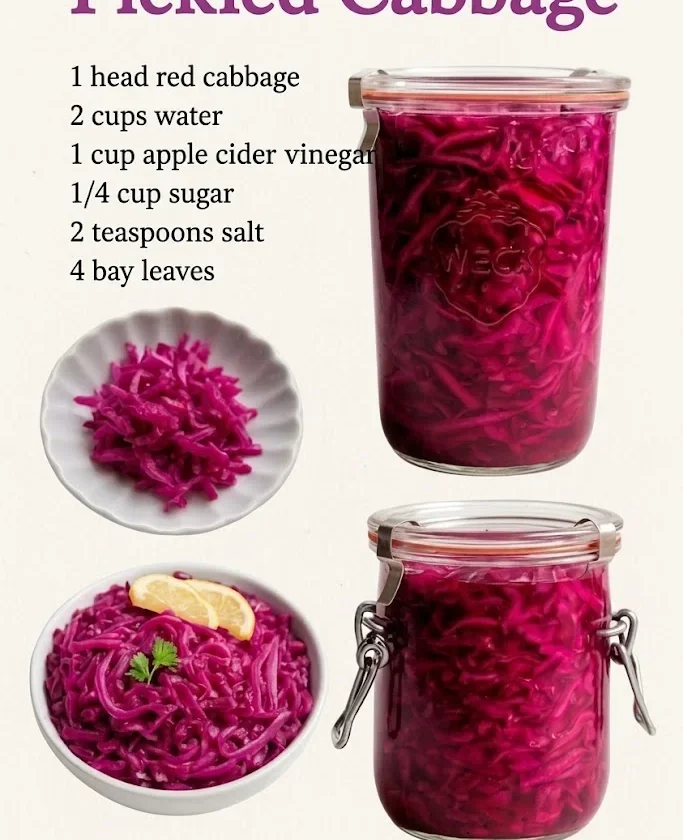
Discover the vibrant world of pickled cabbage, a delectable addition to any meal. This versatile dish not only adds a burst of tangy flavor but also brings an array of health benefits to your table. Whether you’re looking to enhance your probiotic intake or simply want to explore new tastes, pickled cabbage is an excellent choice. Let’s dive into a comprehensive recipe that will guide you through the process of making this delightful fermented vegetable dish.
Ingredients
For the Pickled Cabbage
- 1 medium head of cabbage, finely shredded (approximately 2 pounds)
- 1 large carrot, julienned
- 1 red bell pepper, thinly sliced
- 3 cloves of garlic, minced
- 1 tablespoon kosher salt
- 1 tablespoon sugar
- 1 teaspoon black peppercorns
- 1 teaspoon mustard seeds
- 1 teaspoon coriander seeds
- 2 cups apple cider vinegar
- 1 cup water
- 1 bay leaf
Optional Flavor Enhancers
- 1 teaspoon chili flakes for a spicy kick
- 2-inch piece of ginger, sliced, for added warmth
Note: Ensure the cabbage is fresh and crisp for the best results. You can substitute apple cider vinegar with white wine vinegar if preferred. The quality of your vegetables will impact the overall flavor and texture, so select organic and locally sourced produce where possible for the freshest taste.
Steps / Instructions
- Prepare the Vegetables: In a large bowl, combine the shredded cabbage, carrot, and red bell pepper. Add the minced garlic, and toss the ingredients to mix well. This ensures an even distribution of flavors and textures. It’s best to use your hands to gently massage the vegetables, releasing some of their natural juices.
- Make the Brine: In a saucepan, combine apple cider vinegar, water, kosher salt, and sugar. Add the black peppercorns, mustard seeds, coriander seeds, and bay leaf. Heat over medium heat until the sugar and salt dissolve completely. Then, bring to a gentle simmer for about 5 minutes to let the spices infuse. Remove from heat and let cool slightly. Ensure the brine is only warm when added to the vegetables to prevent cooking them.
- Combine and Pack: Pour the cooled brine over the vegetable mixture, ensuring all pieces are submerged. Use a plate or a weight to press the vegetables down if necessary. This helps to prevent exposure to air, reducing the risk of spoilage. Transfer the mixture into sterilized jars, packing tightly to eliminate air pockets. Be cautious not to overfill the jars to allow for expansion during fermentation.
- Seal and Ferment: Seal the jars with lids, leaving about an inch of space at the top. Store the jars at room temperature away from direct sunlight. Allow to ferment for at least 3–5 days. Taste periodically and refrigerate once the desired tanginess is reached. The fermentation time can vary based on temperature and your personal preference for sourness.
Tips & Tricks
- Storage: Once fermented to your liking, store pickled cabbage in the refrigerator for up to two months. Ensure the jars remain sealed tightly to maintain freshness.
- Brine Adjustment: Feel free to adjust the sugar and salt balance in the brine to suit your taste. More sugar can mellow the sharpness, while extra salt can intensify the flavors.
- Avoid Overpacking: When packing the vegetables in jars, ensure they are tightly packed but not crushed. This helps maintain their texture and prevent mushiness.
- Fermentation Environment: A consistent room temperature between 60°F and 75°F is optimal for fermentation. Cooler temperatures may slow the process, while warmer conditions could speed it up, affecting the final flavor.
Variations
- Spicy Variation: Add more chili flakes or a sliced jalapeño for extra heat. Adjust according to your spice tolerance to keep the pickled cabbage enjoyable for everyone.
- Herbal Twist: Incorporate fresh dill or cilantro for an herbal note. These herbs can add a refreshing dimension to the overall taste.
- Asian Influence: Use rice vinegar and add soy sauce for an Asian pickled cabbage style. A dash of sesame oil can also impart a nutty aroma.
- Vegan Options: This recipe is naturally vegan-friendly, perfect for plant-based diets. It can be a staple in vegan meal preparations, providing essential probiotics.
Serving Suggestions
- Pairing: Serve as a side dish with Garlic Butter Steak & Zucchini Delight or Spicy Ground Turkey & Green Bean Stir-Fry. These dishes complement the tangy pickled cabbage, creating a balanced meal.
- Crunchy Toppings: Use as a topping on sandwiches, burgers, or tacos for added crunch and flavor. Its acidity can cut through rich and fatty components, enhancing the overall dish.
- Cabbage Salad Ideas: Mix with fresh greens or grains for a tangy cabbage slaw or vibrant salad. This can add texture and a burst of flavor to otherwise simple salads.
- Probiotic Boost: Include in a meal prep rotation for a healthy, probiotic-rich side dish. Its benefits extend beyond taste, contributing to gut health.
FAQ
- How long does pickled cabbage last? Properly stored in the refrigerator, it can last up to two months. Always check for any signs of spoilage, like off odors or visible mold, before consuming.
- Can I use other vegetables? Yes, vegetables like radishes or cucumbers can be added or substituted. Experiment with different combinations to find your preferred mix.
- What if my pickled cabbage is too sour? Reduce the fermentation time or add a touch of sugar to balance the flavor. You can also mix it with fresh ingredients to mellow the tanginess.
- Is pickled cabbage healthy? Yes, it is low in calories and offers probiotic benefits. It can aid digestion and bolster your immune system when consumed regularly.
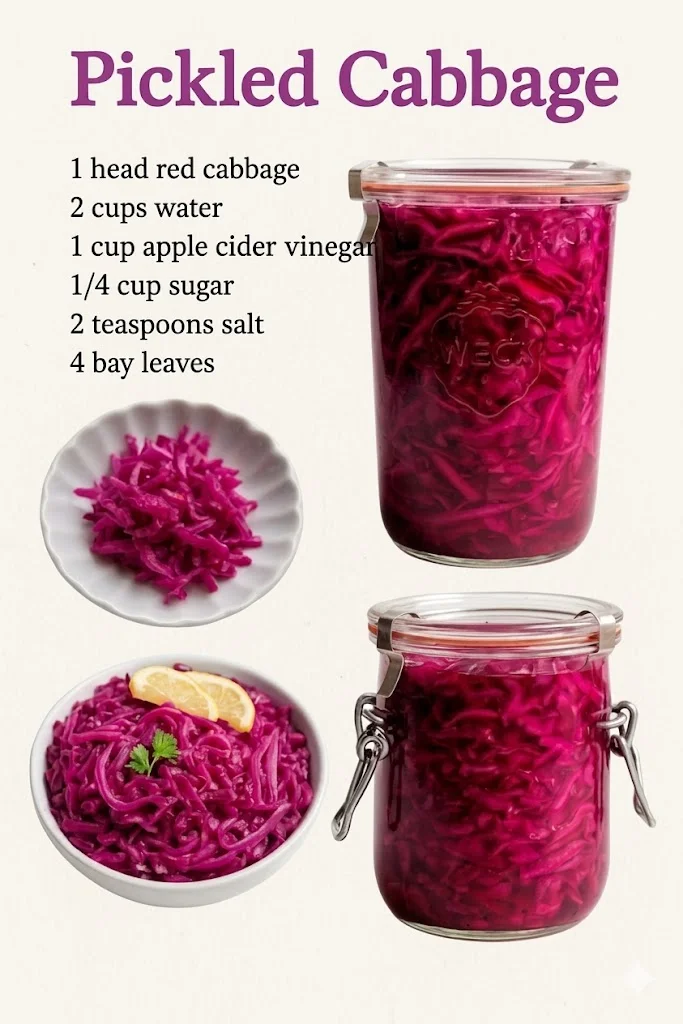
Pickled Cabbage
Discover the vibrant world of pickled cabbage, a delectable addition to any meal. This versatile dish not only adds a burst of tangy flavor but also brings an array of health benefits to your table. Whether you're looking to enhance your probiotic intake or simply want to explore new tastes, pickled cabbage is an excellent choice. Let's dive into a comprehensive recipe that will guide you through the process of making this delightful fermented vegetable dish.
Ingredients
- 1 medium head of cabbage, finely shredded (approximately 2 pounds)
- 1 large carrot, julienned
- 1 red bell pepper, thinly sliced
- 3 cloves of garlic, minced
- 1 tablespoon kosher salt
- 1 tablespoon sugar
- 1 teaspoon black peppercorns
- 1 teaspoon mustard seeds
- 1 teaspoon coriander seeds
- 2 cups apple cider vinegar
- 1 cup water
- 1 bay leaf
- 1 teaspoon chili flakes for a spicy kick (optional)
- 2-inch piece of ginger, sliced, for added warmth (optional)
Directions
Prepare the Vegetables: In a large bowl, combine the shredded cabbage, carrot, and red bell pepper. Add the minced garlic, and toss the ingredients to mix well. It's best to use your hands to gently massage the vegetables, releasing some of their natural juices.
Make the Brine: In a saucepan, combine apple cider vinegar, water, kosher salt, and sugar. Add the black peppercorns, mustard seeds, coriander seeds, and bay leaf. Heat over medium heat until the sugar and salt dissolve completely. Then, bring to a gentle simmer for about 5 minutes to let the spices infuse. Remove from heat and let cool slightly. Ensure the brine is only warm when added to the vegetables to prevent cooking them.
Combine and Pack: Pour the cooled brine over the vegetable mixture, ensuring all pieces are submerged. Use a plate or a weight to press the vegetables down if necessary. Transfer the mixture into sterilized jars, packing tightly to eliminate air pockets.
Seal and Ferment: Seal the jars with lids, leaving about an inch of space at the top. Store the jars at room temperature away from direct sunlight. Allow to ferment for at least 3–5 days. Taste periodically and refrigerate once the desired tanginess is reached.
Recipe Reviews
- ★★★★★
Excellent recipe!
Leave a Reply
Your email address will not be published. Required fields are marked *