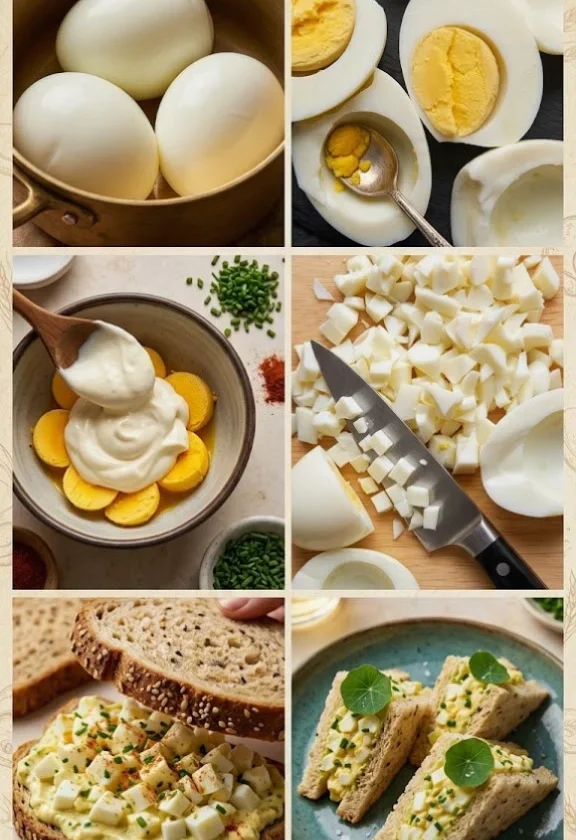
The Japanese Egg Sandwich, or tamago sando, is a delightful comfort food that showcases the simplicity and elegance of Japanese cuisine. This delectable sandwich features a creamy egg filling nestled between slices of fluffy Japanese bread. Perfect for a quick lunch or a satisfying brunch, the Japanese Egg Sandwich is loved for its umami taste and soft texture. In this article, we’ll cover everything you need to create this delicious treat at home, ensuring that every bite is satisfying and flavorful. The beauty of this dish lies in its simplicity, yet it offers a luxurious experience that can transport your taste buds to Japan.
Ingredients
- For the Egg Filling:
- 4 large eggs
- 2 tablespoons mayonnaise (preferably Japanese mayo for a richer flavor that enhances the overall taste; Kewpie is highly recommended)
- 1 teaspoon Dijon mustard (optional for a subtle tang; adjust based on your flavor preference)
- Salt to taste (start with ¼ teaspoon and adjust according to preference, as different mayonnaises have varying salt levels)
- Freshly cracked black pepper to taste (about ¼ teaspoon adds a lovely bite; consider using white pepper for a milder flavor)
- For the Sandwich:
- 4 slices of fluffy Japanese bread (shokupan) or soft white bread (ensure the bread is fresh for the best texture; day-old bread may become too dry)
- Butter (for spreading on the bread, optional; adds a rich flavor and golden color when toasted)
Note: For the best flavor, use high-quality mayonnaise and fresh, organic eggs if possible. If you prefer a lighter version, you can substitute half of the mayonnaise with Greek yogurt, which will still yield a creamy texture without the extra calories. You can learn more about this topic and its cultural significance. Each ingredient contributes to the overall taste, so sourcing the best available items is crucial for a delicious outcome.
Steps / Instructions
- Cook the Eggs: Place the eggs in a saucepan and cover them with cold water. Bring to a boil over medium heat. Once boiling, cover the pan and remove it from heat. Let the eggs sit for 12 minutes for hard-boiled eggs, or 6-8 minutes for soft-boiled eggs. For best results, use a timer to ensure accuracy and prevent overcooking, which can lead to a greenish ring around the yolk.
- Cool the Eggs: After the eggs have cooked, transfer them to a bowl of ice water to stop the cooking process. Allow them to cool for at least 5 minutes, which makes peeling much easier and prevents overcooking. This step is essential for maintaining the ideal texture of the yolk.
- Peel the Eggs: Once the eggs are cool, carefully crack and peel them under cold running water to make peeling easier. This method helps remove the shell cleanly and reduces the risk of damaging the egg whites, ensuring a smooth and creamy filling.
- Make the Egg Filling: In a mixing bowl, chop the peeled eggs into small pieces, aiming for a chunky yet creamy consistency. Add the mayonnaise, Dijon mustard (if using), salt, and black pepper. Mix gently until the mixture is creamy but still has some texture; you want to maintain some small egg chunks for visual appeal. This chunky texture is key to the sandwich’s overall mouthfeel.
- Prepare the Bread: If desired, lightly butter one side of each slice of Japanese bread. This adds a nice flavor and helps to keep the filling from soaking into the bread, maintaining its integrity. Use unsalted butter for better control over the seasoning. Toasting the bread will also enhance its flavor and make it more satisfying to bite into.
- Assemble the Sandwich: Spoon the egg filling onto the unbuttered side of two slices of bread. Spread it evenly to the edges to ensure every bite is flavorful and packed with the savory egg filling. Top with the remaining slices of bread, buttered side facing out, creating a beautiful sandwich that is both visually appealing and delicious.
- Toast the Sandwiches (Optional): If you prefer a crispy texture, you can grill the sandwiches in a non-stick skillet over medium heat. Toast each side for about 3-4 minutes, or until golden brown. Press down gently with a spatula to encourage an even crust, which will create a satisfying crunch when you take a bite.
- Slice and Serve: Cut the sandwiches diagonally into halves or quarters. Serve immediately for the best flavor and texture, allowing the warmth and creaminess of the filling to be fully appreciated. Pairing with a side of pickles or chips can enhance your meal experience.
Tips & Tricks
- Storage: If you have leftovers, store the egg filling in an airtight container in the refrigerator for up to 2 days. Assemble sandwiches fresh, as the bread can become soggy when stored with the filling. Consider placing parchment paper between the filling and the bread if you must store them together.
- Make-Ahead: You can make the egg filling a day in advance, which allows the flavors to meld together beautifully, intensifying the overall taste. This is a great time-saver for busy mornings when you want a quick meal.
- Avoid Common Mistakes: Be careful not to overcook the eggs, as they can become rubbery. Use a timer to ensure perfect results, and always pay attention to the cooking time specified. Also, be cautious with the amount of salt, as too much can overpower the delicate flavors.
- Pro Techniques: For an extra touch of flavor, consider adding finely chopped green onions or a dash of soy sauce to the egg filling. This can elevate the umami profile of your Japanese Egg Sandwich significantly. Experimenting with textures, such as adding finely diced cucumber for crunch, can also enhance your sandwich.
Variations
- Vegan Option: Replace eggs with mashed avocado and mix in some tahini for a creamy filling. You can also make a chickpea salad using mashed chickpeas, vegan mayo, and spices for a protein-rich alternative that still captures the essence of the traditional sandwich.
- Flavor Variations: Add a sprinkle of furikake (a Japanese seasoning) to the egg filling for a burst of umami flavor. You can also incorporate finely chopped cucumber or radishes for added crunch and freshness, balancing the creaminess of the filling.
- Gluten-Free Option: Use gluten-free bread to make this sandwich suitable for those with gluten sensitivities, allowing everyone to enjoy this delightful treat without worry.
Serving Suggestions
The Japanese Egg Sandwich is versatile and can be served in various ways. Pair it with a side of pickled vegetables for a crunchy contrast that enhances the experience, adding a tangy element that complements the richness of the filling. It also goes well with a light salad or a bowl of miso soup to create a balanced meal that warms the soul. For a refreshing drink, consider serving it alongside iced green tea or a chilled lemonade, which perfectly balances the richness of the sandwich. Check out our related guide for more tips to enhance your experience with this beloved dish, ensuring every meal is memorable.
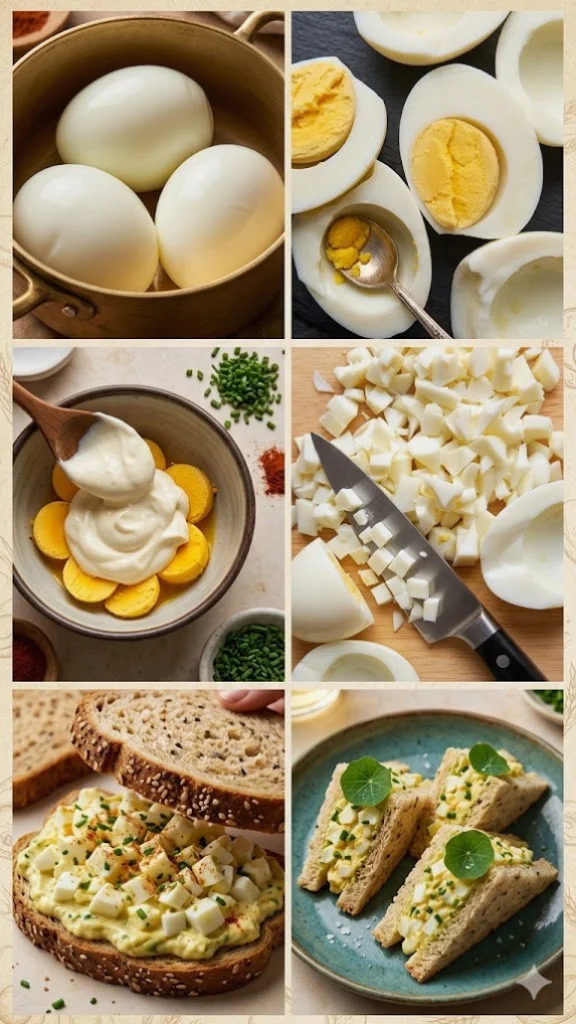
Japanese Egg Sandwich
The Japanese Egg Sandwich, or tamago sando, is a delightful comfort food that showcases the simplicity and elegance of Japanese cuisine. This delectable sandwich features a creamy egg filling nestled between slices of fluffy Japanese bread. Perfect for a quick lunch or a satisfying brunch, the Japanese Egg Sandwich is loved for its umami taste and soft texture.
Ingredients
- 4 large eggs
- 2 tablespoons mayonnaise (preferably Japanese mayo for a richer flavor; Kewpie is highly recommended)
- 1 teaspoon Dijon mustard (optional)
- Salt to taste
- Freshly cracked black pepper to taste
- 4 slices of fluffy Japanese bread (shokupan) or soft white bread
- Butter (for spreading on the bread, optional)
Directions
Cook the Eggs: Place the eggs in a saucepan and cover them with cold water. Bring to a boil over medium heat. Once boiling, cover the pan and remove it from heat. Let the eggs sit for 12 minutes for hard-boiled eggs, or 6-8 minutes for soft-boiled eggs.
Cool the Eggs: Transfer the eggs to a bowl of ice water to stop the cooking process. Allow them to cool for at least 5 minutes.
Peel the Eggs: Crack and peel the eggs under cold running water.
Make the Egg Filling: Chop the peeled eggs into small pieces and mix with mayonnaise, Dijon mustard, salt, and black pepper until creamy but still chunky.
Prepare the Bread: Lightly butter one side of each slice of Japanese bread.
Assemble the Sandwich: Spoon the egg filling onto the unbuttered side of two slices of bread and top with remaining slices.
Toast the Sandwiches (Optional): Grill the sandwiches in a non-stick skillet over medium heat for about 3-4 minutes on each side until golden brown.
Slice and Serve: Cut the sandwiches diagonally into halves or quarters and serve immediately.
Nutrition Facts
Recipe Reviews
- ★★★★★
Excellent recipe!
Leave a Reply
Your email address will not be published. Required fields are marked *