Introduction
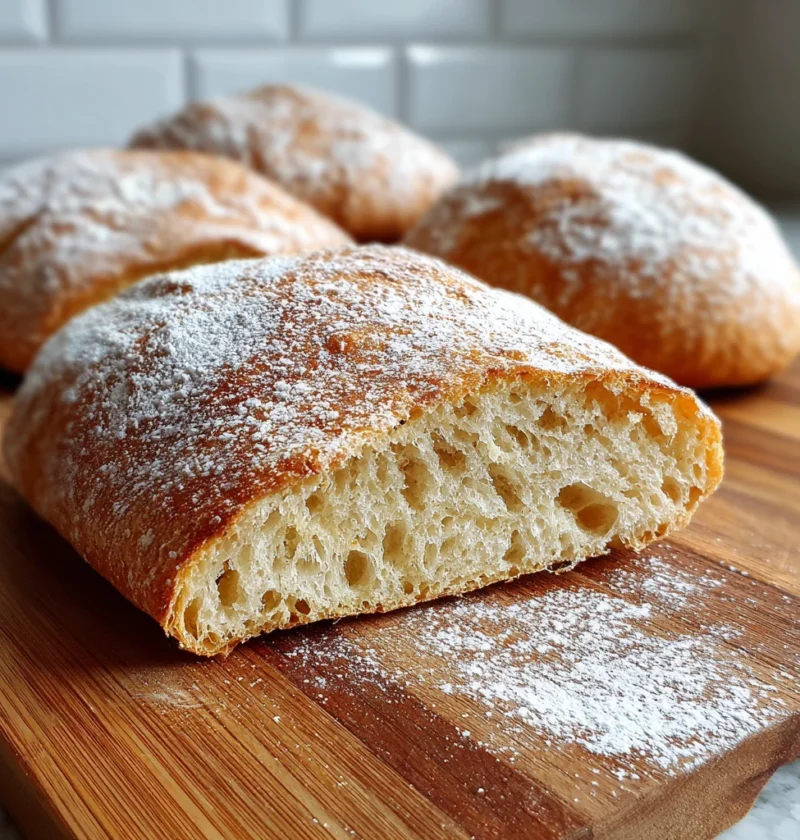
Imagine the aroma of freshly baked bread wafting through your kitchen, filling the air with warmth and comfort. Ciabatta bread, with its rustic crust and airy interior, is a staple in Italian cuisine known for its versatility and delicious taste. In this article, we will delve into the art of making ciabatta bread from scratch, allowing you to experience the joy of creating this classic bread in your own home.
Why Ciabatta Bread is Special
Ciabatta bread holds a special place in the world of baking due to its unique texture and flavor profile. Unlike many other bread varieties, ciabatta’s dough is wet and sticky, resulting in a chewy interior and a crusty exterior. This combination creates a delightful contrast that pairs perfectly with various toppings and fillings. With its origins rooted in Italy, ciabatta bread offers a taste of tradition with every bite.
One of the standout features of ciabatta bread is its versatility. Whether you enjoy it as a sandwich bread, toast it for bruschetta, or simply dip it in olive oil, ciabatta’s robust flavor complements a wide range of dishes. Its open crumb structure makes it ideal for soaking up sauces and juices, enhancing the overall dining experience.
From a cultural perspective, ciabatta bread embodies the essence of Italian baking heritage. Its name, which translates to “slipper bread” in Italian, reflects the bread’s elongated shape resembling a slipper. This iconic bread has made its way from Italian bakeries to kitchens around the world, captivating food enthusiasts with its artisanal charm.
Ingredients for Ciabatta Bread
To create authentic ciabatta bread at home, you will need the following ingredients:
– Bread flour
– Water
– Yeast
– Salt
These basic yet essential ingredients come together to form the foundation of ciabatta bread. While the recipe is relatively simple, the key lies in the technique and attention to detail during the bread-making process.
Step-by-Step Instructions
1. In a mixing bowl, combine the bread flour, water, yeast, and salt.
2. Mix the ingredients until a sticky dough forms.
3. Allow the dough to rise until it doubles in size.
4. Gently fold the dough to redistribute the yeast and develop gluten.
5. Shape the dough into loaves and let them rise again.
6. Preheat the oven and bake the ciabatta loaves until golden brown.
7. Let the bread cool before slicing and serving.
Expert Tips for Success
For best results when making ciabatta bread, follow these expert tips:
– Use a wet dough to achieve the characteristic open crumb structure.
– Allow enough time for the dough to ferment and develop flavor.
– Bake the bread on a preheated baking stone for a crisp crust.
– Mist the oven with water to create steam and enhance crust formation.
Variations and Substitutions
While traditional ciabatta bread sticks to the classic recipe, you can experiment with variations to suit your preferences:
– Add herbs or olives to the dough for a flavorful twist.
– Substitute part of the bread flour with whole wheat flour for a nutty taste.
– Incorporate different seeds or grains for added texture and nutrition.
Serving Suggestions
When serving freshly baked ciabatta bread, consider the following suggestions:
– Slice the bread and toast it to enjoy with dips or spreads.
– Create gourmet sandwiches with quality meats, cheeses, and vegetables.
– Pair ciabatta with soups, salads, or charcuterie boards for a complete meal experience.
FAQs
Q: Can I freeze ciabatta bread?
A: Yes, ciabatta bread freezes well. Wrap it tightly in plastic wrap and store it in an airtight container for up to three months. Thaw at room temperature before reheating.
Q: Why is my ciabatta bread dense?
A: Dense ciabatta bread may result from underproofing the dough or not allowing it to rise sufficiently. Ensure proper fermentation and proofing times for a lighter texture.
Final Thoughts
In conclusion, ciabatta bread offers a delightful journey into the world of artisanal baking, allowing you to savor the rich flavors and textures of this beloved Italian classic. By mastering the art of making ciabatta bread at home, you can elevate your culinary skills and enjoy the satisfaction of creating a delicious staple from scratch. Embrace the simplicity and elegance of ciabatta bread, and let its timeless appeal enhance your dining experiences.
Ciabatta Bread
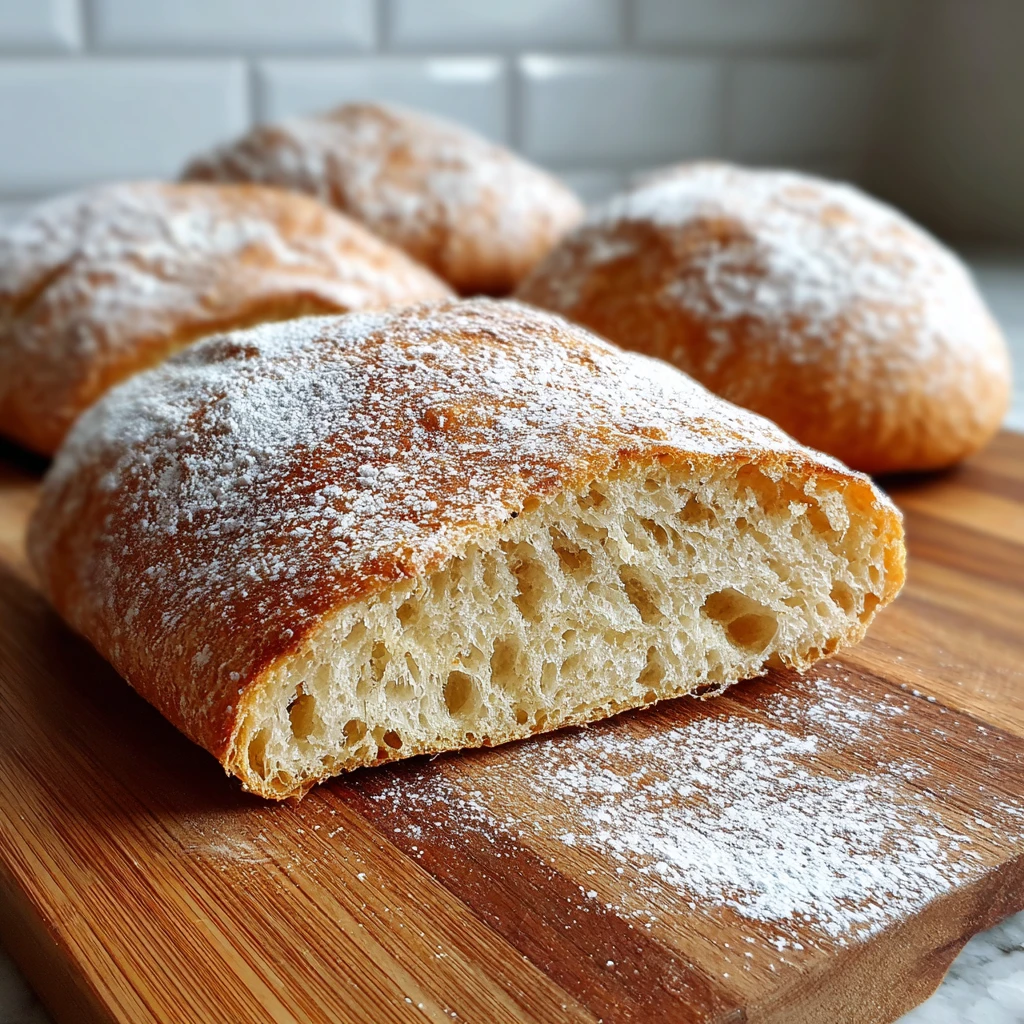
Learn how to make ciabatta bread from scratch and enjoy the rustic crust and airy interior of this classic Italian staple.
Ingredients
- 3 cups bread flour
- 1 ⅔ cups water
- 1 tsp yeast
- 1 ½ tsp salt
Directions
-
In a mixing bowl, combine the bread flour, water, yeast, and salt.
-
Mix the ingredients until a sticky dough forms.
-
Allow the dough to rise until it doubles in size.
-
Gently fold the dough to redistribute the yeast and develop gluten.
-
Shape the dough into loaves and let them rise again.
-
Preheat the oven and bake the ciabatta loaves until golden brown.
-
Let the bread cool before slicing and serving.