Introduction
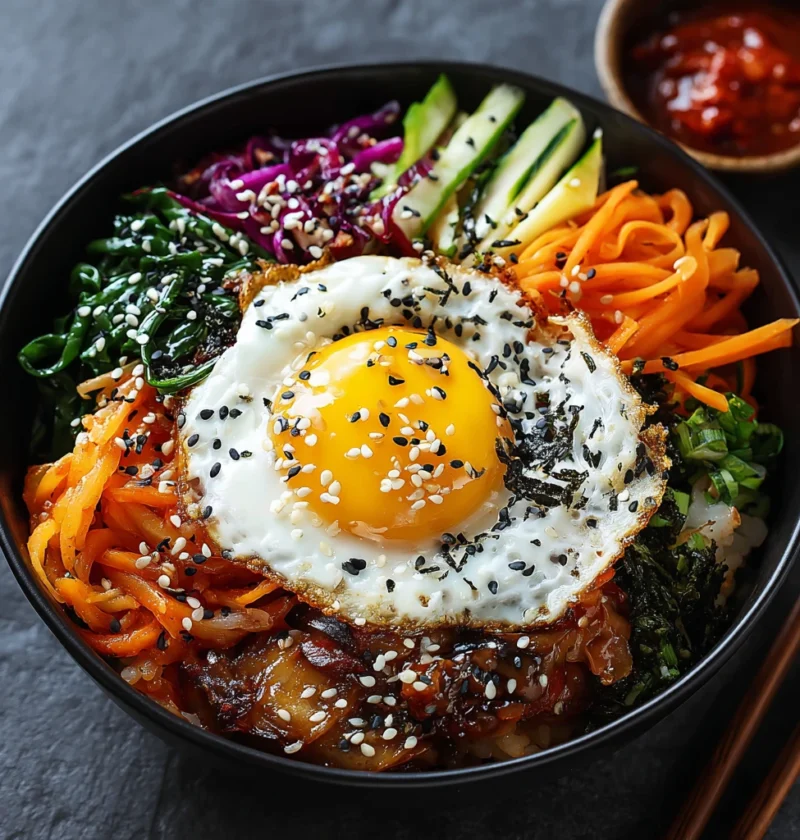
Welcome to the world of culinary delight with this irresistible Bibimbap recipe, a colorful Korean dish that is sure to tantalize your taste buds. Imagine a harmonious blend of flavors and textures coming together in a single bowl, creating a feast for both the eyes and the palate. In this article, we will explore the secrets behind this iconic dish, its cultural significance, and why it has captured the hearts of food enthusiasts worldwide.
Why You’ll Love This Recipe
What makes this Bibimbap recipe truly special is its versatility and simplicity. It offers a perfect balance of savory, sweet, and spicy flavors, making it a delightful experience for your senses. Whether you are a seasoned chef or a novice in the kitchen, this recipe is easy to follow and promises a rewarding outcome every time you prepare it.
Additionally, Bibimbap is not only a treat for your taste buds but also a wholesome meal that can be tailored to suit various dietary preferences. With a myriad of fresh ingredients and vibrant colors, this dish is as visually appealing as it is delicious.
Get ready to embark on a culinary journey that celebrates the essence of Korean cuisine with this delectable Bibimbap recipe.
Let’s dive into the world of flavors and aromas that await you in each mouthful of this delightful dish.
Ingredients
To create the perfect Bibimbap, you will need the following ingredients:
– Cooked white rice
– Soy sauce
– Sesame oil
– Carrots
– Spinach
– Bean sprouts
– Mushrooms
– Beef (or tofu for a vegetarian option)
– Eggs
Feel free to personalize your Bibimbap by adding or substituting ingredients based on your preferences. You can experiment with different vegetables, proteins, or seasonings to create a version that suits your taste.
Step-by-Step Instructions
1. Prepare all the ingredients by washing and cutting them into bite-sized pieces.
2. Cook the white rice according to the package instructions and set it aside.
3. Marinate the beef (or tofu) in a mixture of soy sauce, sesame oil, and your choice of seasonings.
4. Sauté the vegetables separately in a pan with a drizzle of sesame oil until they are tender but still slightly crispy.
5. Cook the marinated beef (or tofu) until it is browned and cooked through.
6. In a separate pan, fry the eggs sunny side up or according to your preference.
7. To assemble the Bibimbap, place a serving of rice in a bowl and arrange the cooked vegetables, beef (or tofu), and fried egg on top.
8. Drizzle with additional soy sauce and sesame oil for extra flavor.
9. Mix everything together before enjoying your colorful and delicious Bibimbap.
Expert Tips for Success
For the best results, be sure to cook each component of the Bibimbap separately to preserve the individual flavors and textures. This will ensure that each ingredient shines through in every bite.
When marinating the beef (or tofu), allow it to sit for at least 30 minutes to absorb the flavors fully. This will enhance the taste of the final dish.
To achieve the perfect runny yolk for your fried egg, cook it on low heat and cover the pan for a few minutes until the whites are set but the yolk is still slightly runny.
Don’t be afraid to get creative with your Bibimbap toppings. Consider adding kimchi, sliced avocado, or a drizzle of gochujang sauce for an extra burst of flavor.
Variations and Substitutions
If you prefer a vegetarian version of Bibimbap, simply substitute the beef with tofu or tempeh for a protein-packed alternative. You can also add grilled shiitake mushrooms or crispy fried tofu for added texture.
To make a gluten-free version of this dish, use tamari instead of soy sauce and ensure that all other ingredients are free from gluten contamination.
If you are looking to boost the nutritional value of your Bibimbap, consider adding superfoods like quinoa or kale to the rice base. These ingredients will add extra fiber and vitamins to your meal.
Feel free to customize your Bibimbap according to your taste preferences and dietary requirements. The beauty of this dish lies in its adaptability and versatility.
Serving Suggestions
To elevate your Bibimbap experience, serve it with a side of traditional Korean banchan (side dishes) such as kimchi, pickled radishes, or seaweed salad. These accompaniments will add depth and variety to your meal.
Pair your Bibimbap with a refreshing glass of Korean barley tea or a chilled bottle of soju for a truly authentic dining experience. The combination of flavors and textures will transport you to the bustling streets of Seoul with each bite.
Whether enjoyed as a cozy meal at home or shared with friends at a dinner gathering, Bibimbap is a dish that brings people together through its rich culinary heritage and inviting flavors.
Get ready to impress your taste buds and guests with this delightful Bibimbap recipe that celebrates the essence of Korean cuisine.
FAQs
Q: Can I make Bibimbap ahead of time?
A: While it’s best to assemble Bibimbap just before serving to maintain the freshness and textures of the ingredients, you can prepare the individual components in advance and quickly assemble them when ready to eat.
Q: How can I make my Bibimbap spicier?
A: If you prefer a spicier kick, add extra gochujang sauce or sprinkle red pepper flakes on top of your Bibimbap before serving. Adjust the spiciness level according to your taste.
Q: Can I customize the vegetables in Bibimbap?
A: Absolutely! Feel free to use your favorite vegetables or whatever you have on hand to create a personalized version of Bibimbap that suits your taste preferences.
Q: Can I make a vegan version of Bibimbap?
A: Yes, you can easily make Bibimbap vegan by omitting the eggs and using tofu or additional vegetables as the protein component. Customize the toppings to create a delicious plant-based meal.
Final Thoughts
As you embark on your Bibimbap cooking adventure, remember that this dish is not just a meal but a celebration of flavors, textures, and traditions. With its colorful presentation and diverse ingredients, Bibimbap offers a sensory experience like no other.
Whether you are a fan of Korean cuisine or simply looking to expand your culinary horizons, this Bibimbap recipe is a must-try for anyone who appreciates a delicious and visually stunning dish.
So gather your ingredients, follow the step-by-step instructions, and savor the taste of Korea with each spoonful of this delightful Bibimbap. Let the vibrant colors and rich flavors transport you to a world of culinary bliss!
Get ready to indulge in a bowl of pure Korean delight and share the joy of this iconic dish with your loved ones. Happy cooking and bon appétit!
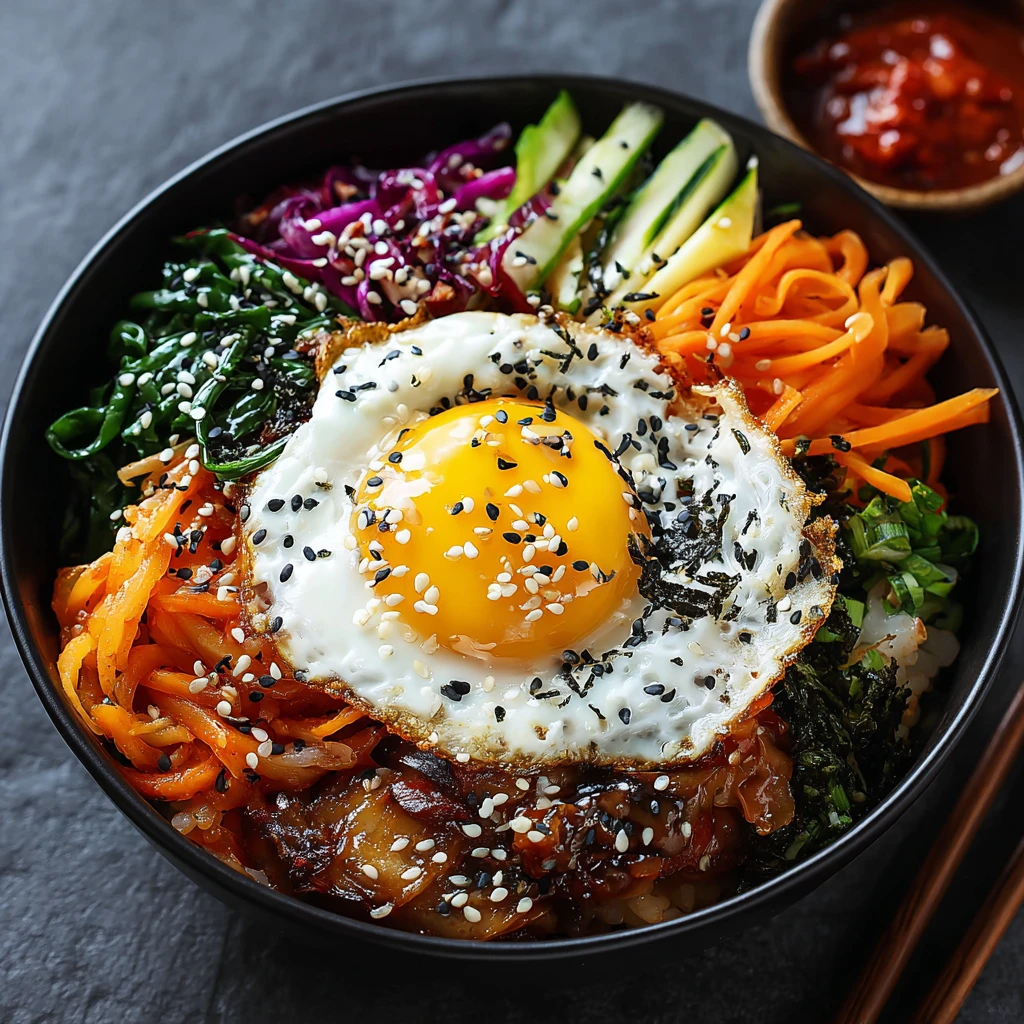
Irresistible Bibimbap Recipe: A Colorful Korean Delight
Experience the colorful and delightful Korean Bibimbap that offers a perfect balance of savory, sweet, and spicy flavors. This versatile dish can be customized with a variety of fresh ingredients to suit your taste preferences.
Ingredients
- 4 cups cooked white rice
- 1/4 cup soy sauce
- 2 tablespoons sesame oil
- 1 cup carrots, julienned
- 2 cups spinach
- 2 cups bean sprouts
- 2 cups mushrooms, sliced
- 1 pound beef (or tofu for a vegetarian option)
- 4 eggs
Directions
-
Prepare all the ingredients by washing and cutting them into bite-sized pieces.
-
Cook the white rice according to the package instructions and set it aside.
-
Marinate the beef (or tofu) in a mixture of soy sauce, sesame oil, and seasonings.
-
Sauté the vegetables separately in a pan with sesame oil until tender but slightly crispy.
-
Cook the marinated beef (or tofu) until browned and cooked through.
-
Fry the eggs sunny side up or as per your preference.
-
To assemble the Bibimbap, place a serving of rice in a bowl and arrange the cooked vegetables, beef (or tofu), and fried egg on top.
-
Drizzle with additional soy sauce and sesame oil for extra flavor.
-
Mix everything together before enjoying your colorful and delicious Bibimbap.