Pesto sauce is a versatile and flavorful addition to many dishes, particularly in Italian cuisine. This homemade pesto recipe highlights fresh basil, which is the star ingredient, and can be customized to suit various dietary preferences and flavor profiles. In this guide, you will learn how to make pesto sauce, along with tips and variations to enjoy it in multiple ways. From pasta to sandwiches, pesto can elevate any meal with its vibrant taste.
Ingredients
- Fresh Basil Pesto Ingredients:
- 2 cups fresh basil leaves, packed. Ensure the leaves are vibrant green without any browning or wilting for optimal flavor.
- 1/2 cup extra virgin olive oil. Using high-quality extra virgin olive oil will enhance the overall taste of the pesto.
- 1/3 cup pine nuts (or alternative nuts, see variations). Toasting them slightly will bring out their natural nuttiness.
- 2 cloves garlic, minced. Fresh garlic is recommended for its pungent flavor; you may adjust the amount based on your preference.
- 1/2 cup freshly grated Parmesan cheese. Grating your own cheese will yield better flavor than pre-packaged options.
- Salt and pepper to taste. Start with a pinch and adjust to your liking to enhance the sauce’s flavors.
Note: Choose high-quality, fresh basil for the best flavor. You can substitute pine nuts with walnuts or almonds if preferred. For a vegan pesto, omit the cheese and substitute with nutritional yeast. Additionally, consider using organic ingredients whenever possible to boost the nutritional value and flavor of your pesto. You can learn more about this topic.
Steps / Instructions
- Prepare the Ingredients: Rinse the fresh basil leaves thoroughly under cool water, removing any dirt or debris, then pat them dry with a clean towel to ensure no excess moisture affects the pesto. Gather all your ingredients along with a food processor or a blender. Having everything prepped will streamline the process.
- Toast the Nuts (Optional): In a dry skillet over medium heat, toast the pine nuts for about 3-5 minutes, stirring frequently, until they are golden brown and aromatic. This step enhances the flavor but can be skipped for a quicker process. Watch closely to prevent burning, as nuts can quickly go from toasted to charred.
- Combine Ingredients: In the food processor, add the basil leaves, toasted pine nuts, minced garlic, and grated Parmesan cheese. Process for about 30 seconds until the mixture is finely chopped, stopping to scrape down the sides if necessary. This ensures even blending and prevents any large pieces from remaining.
- Add Olive Oil: With the processor running, slowly drizzle in the olive oil. Continue to blend until the pesto is smooth or reaches your desired consistency, which can vary from chunky to silky. Scrape down the sides of the bowl as needed to ensure even mixing.
- Season: Taste the pesto and add salt and pepper as necessary. Blend briefly to combine the seasonings. Adjust the seasoning according to your taste preference; fresh pesto should have a well-rounded flavor that isn’t overly salty.
- Store or Serve: Transfer the pesto to a jar or an airtight container. If you’re not using it immediately, drizzle a thin layer of olive oil over the surface to help prevent oxidation. Make sure to keep it sealed to maintain freshness and flavor.
Tips & Tricks
- Storage Tips: Pesto can be stored in the refrigerator for up to one week. For longer storage, freeze it in ice cube trays, then transfer the cubes to a zip-lock bag for up to 3 months. This method allows you to defrost just the right amount as needed.
- Make Ahead: Prepare the pesto ahead of time and keep it ready for meal prep. It can enhance many dishes, making quick lunch ideas much easier. Consider making double the batch to have on hand for future meals.
- Avoid Common Mistakes: Over-processing can result in a paste rather than a sauce. Stop blending once you achieve a textured consistency. For a rustic feel, you may prefer leaving it slightly chunky.
- Blending Techniques for Pesto: If using a mortar and pestle, crush the garlic and pine nuts first, then add basil and cheese gradually, finishing with the olive oil. This traditional method can yield a more authentic texture and flavor. Always use a gentle touch to preserve the freshness of the basil.
Variations
- Pesto with Pine Nuts: Traditional pesto uses pine nuts, but you can try sunflower seeds or cashews for a nut-free alternative. Each nut will impart a unique flavor, so feel free to experiment! You can toast these alternatives similarly to enhance their taste.
- Vegan Pesto Alternatives: Substitute the Parmesan cheese with nutritional yeast for a dairy-free option. This not only keeps it vegan but also adds a cheesy flavor without using dairy products. You might also consider adding some cooked white beans for creaminess.
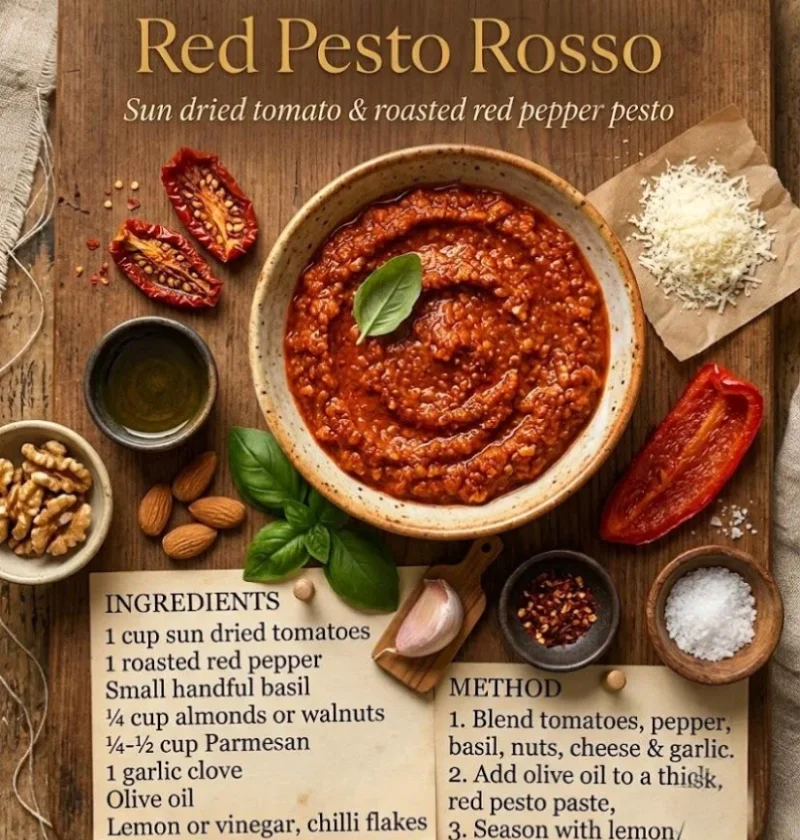
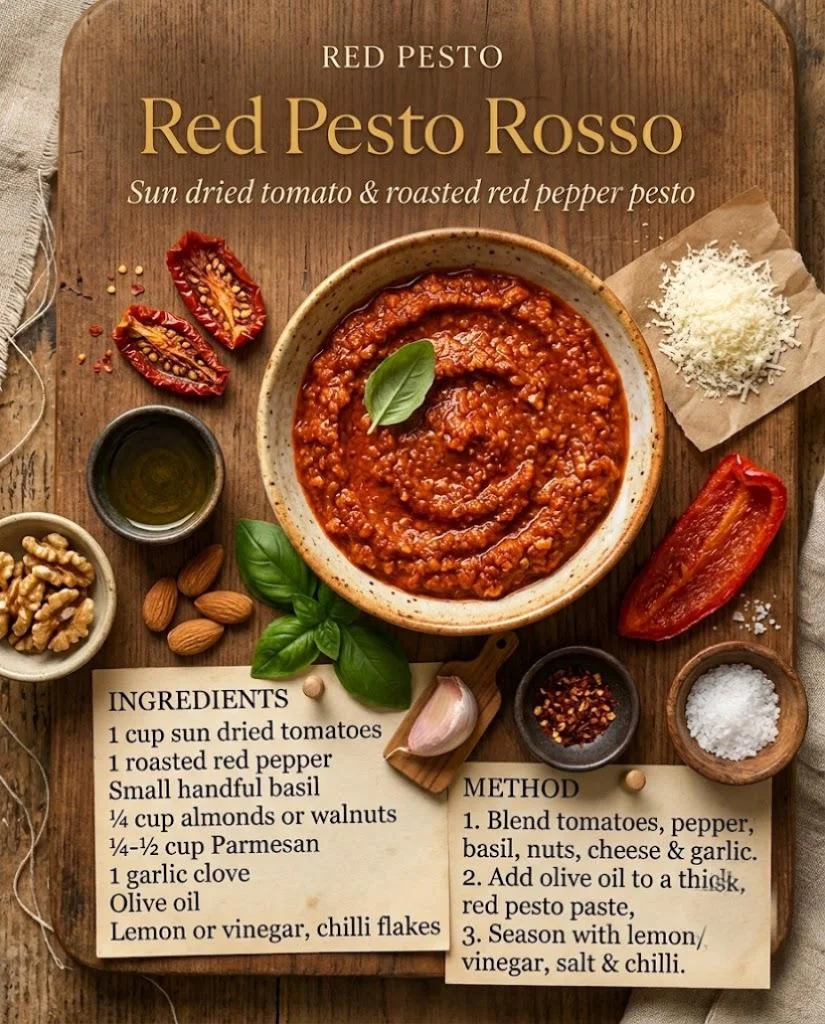
- Flavor Combinations with Pesto: Consider adding sun-dried tomatoes, roasted red peppers, or a squeeze of lemon to enhance the flavor profile. These additions can complement the basil beautifully, providing a delightful twist to the classic recipe.
- Healthy Pesto Recipes: For a lighter version, use less oil or substitute some of the oil with an avocado for creaminess. You can also incorporate spinach or arugula into the mix for added greens without dramatically altering the flavor.
How to Use Pesto Sauce
Pesto is incredibly versatile. Toss it with pasta for a classic dish or use it as a spread on sandwiches. You can also drizzle it over grilled vegetables, use it as a dipping sauce for bread, or add it to salad dressings for an enhanced flavor. Additionally, try incorporating it in dishes like Chicken Tikka Patties or as a topping for Easy Chicken Thigh Osso Bucco. Check out our related guide for more tips. The possibilities are endless, so let your creativity flow when it comes to using this delightful sauce.
Fresh Basil Pesto
A versatile and flavorful addition to many dishes, particularly in Italian cuisine.
Ingredients
- 2 cups fresh basil leaves, packed
- 1/2 cup extra virgin olive oil
- 1/3 cup pine nuts (or alternative nuts)
- 2 cloves garlic, minced
- 1/2 cup freshly grated Parmesan cheese
- Salt and pepper to taste
Directions
Rinse the fresh basil leaves thoroughly under cool water, removing any dirt or debris, then pat them dry with a clean towel.
In a dry skillet over medium heat, toast the pine nuts for about 3-5 minutes until they are golden brown and aromatic.
In the food processor, add the basil leaves, toasted pine nuts, minced garlic, and grated Parmesan cheese. Process for about 30 seconds until finely chopped.
With the processor running, slowly drizzle in the olive oil and continue to blend until smooth.
Taste the pesto and add salt and pepper as necessary. Blend briefly to combine the seasonings.
Transfer the pesto to a jar or an airtight container. Drizzle a thin layer of olive oil over the surface to help prevent oxidation.
Nutrition Facts
Recipe Reviews
- ★★★★★
Excellent recipe!
Leave a Reply
Your email address will not be published. Required fields are marked *